
Radiator Gurgling? What Every Heating Noise Means
A gurgle is air and you can let it out yourself. A bang from the boiler is limescale and you cannot. Here is how to tell every heating noise apart.
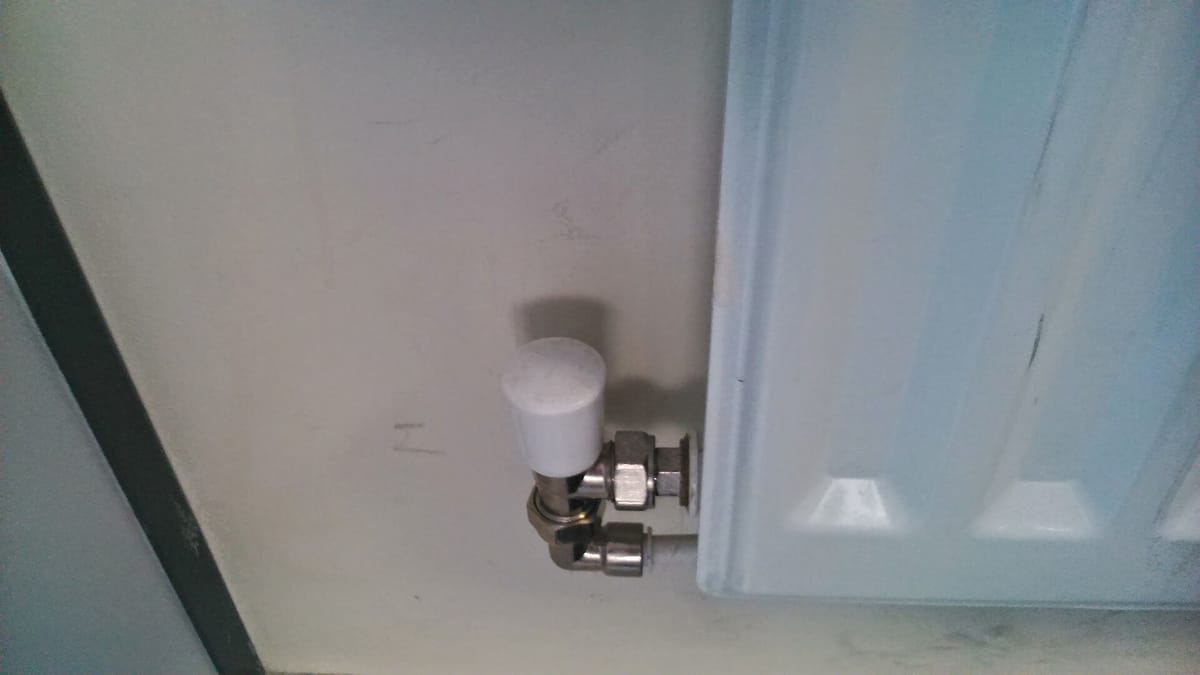
Radiator gurgling is air. A pocket of it is trapped in the radiator, and the noise is hot water pushing past it. Letting it out with a radiator key takes about five minutes and costs nothing. The other noises a heating system makes have different causes. Ticking is normal. A bang or rumble from the boiler is not, and that one needs an engineer.
Key takeaways
- Gurgling is trapped air. Bleed the radiator, then check the pressure gauge on the boiler.
- Ticking, clicking and creaking as the heating starts or stops is the metal expanding and contracting. It is normal.
- Whistling at a valve is usually water squeezing through a part-closed valve, or air.
- Banging or rumbling from the boiler is usually limescale. That is an engineer's job, not yours.
- A radiator that needs bleeding every few weeks has a fault behind it. Bleeding is treating the symptom.
What causes radiator gurgling
Water in a heating system carries a little dissolved air. As it heats, some comes out of the water as bubbles. Those rise to the highest point they can reach, which is the top of each radiator. Over weeks they collect into a pocket.
Once the pocket is big enough, the water flowing through the radiator passes it and bubbles through it. That is the gurgle. Viessmann's guide to radiator noises gives the same cause, and points to the clue that usually comes with it: a radiator that is cold at the top and hot at the bottom. The air is sitting where the hot water should be.
A radiator in that state only heats part of its surface, which works against lowering your heating bill without being cold. It is common in autumn, when a system that sat still all summer starts circulating again. It is also common after any work that drained the system, because refilling it brings fresh air in.
Every heating noise, and what it means
Listen for where the sound comes from as well as what it sounds like. A radiator noise and a boiler noise can sound similar from the next room.
| Noise | Where | Likely cause | Who fixes it |
|---|---|---|---|
| Gurgling, trickling | Inside the radiator | Trapped air | You, by bleeding it |
| Ticking, clicking, creaking | Radiators and pipes, as the heating starts or stops | Metal expanding and contracting | Nobody, it is normal |
| Knocking or tapping along a wall | Pipework | A pipe moving against a joist or a loose clip | You if you can reach it, a plumber if not |
| Whistling | At a radiator valve | Water forced through a part-closed valve, or air | You, by opening the valve or bleeding |
| Banging, rumbling, kettle-like | At the boiler | Limescale on the heat exchanger | A Gas Safe registered engineer |
Viessmann calls the boiler noise kettling. Scale builds up on the heat exchanger, mostly in hard-water areas, and water boils in spots against it. The sound can seem to come from the radiators even though its source is the boiler. Its recommended fix is a professional power flush.
BOXT, a boiler installer, lists two causes of a whistling radiator: trapped air, and water moving too fast through a valve. Turning the thermostatic valve up fully often stops the second one. If it does, turn it back down a little at a time until you find the point just before the whistle.
How to bleed a gurgling radiator
You need a radiator key, which costs very little at any hardware shop, an old cloth and a small container. Some newer valves take a flat screwdriver instead.
- Turn the heating off and let the radiators cool. Give it half an hour. Water from a hot radiator can scald, and a pump that is running keeps pushing air around instead of letting it settle.
- Find the bleed valve. It is a small square or slotted fitting at one top corner of the radiator.
- Hold the cloth under it. Fit the key and turn it anticlockwise, no more than a quarter turn. You will hear air hissing out.
- Close it when water comes out. Once a steady trickle of water replaces the hiss, turn the key clockwise until it is snug. Do not force it.
- Repeat on the others. Bleed any other radiator that gurgles or is cold along the top in the same way.
- Check the boiler pressure. Bleeding a sealed system lets water out, so the gauge drops. Most systems run at about 1 to 1.5 bar when cold. If it is below the figure in your boiler manual, top it up through the filling loop as the manual describes.
- Turn the heating back on and listen. The radiator should heat evenly across the top within half an hour, and the gurgle should be gone.
If the gauge keeps dropping in the days after you top it up, stop topping it up and call an engineer. Water is leaving the system somewhere.
Mistakes that make the noise come back
- Bleeding with the heating running. The pump keeps mixing air through the water, so you let out some and leave the rest moving around.
- Opening the bleed valve too far. More than half a turn and the pin can come out entirely, with the system's water following it.
- Forgetting the pressure gauge. A combi boiler that drops below its minimum pressure locks out, and you have swapped a gurgle for no heating at all.
- Bleeding the same radiator every fortnight. Air keeps returning for a reason. It can be a small leak, a fault elsewhere in the system, or corrosion inside the radiators producing gas. All of those need an engineer to find.
- Ignoring a radiator that is cold at the bottom. Bleeding fixes a cold top. A cold bottom is sludge settled in the radiator, and bleeding it does nothing useful.
When the noise is not the radiator
If a radiator is quiet but stone cold while the others heat, the problem is usually the valve, not air. Our guide to freeing a stuck radiator valve covers that in ten minutes with the head off.
Knocking that runs along a wall or under a floor is usually a pipe moving as it heats. It rubs on a joist or rattles in a loose clip. If you can reach the pipe, a foam pipe sleeve or a new clip quietens it. If it is under the floorboards, a plumber can find the spot.
Frequently asked questions
Is a gurgling radiator dangerous?
No. It is air moving through the water in the system, and the only harm is that the radiator heats less of its surface. It is worth fixing because a radiator half full of air wastes the heat you pay for, and air in the system can also make the pump and boiler noisier.
Why does my radiator still gurgle after bleeding it?
Either some air is still in it, or more is getting in. Bleed it again once the heating has run for an hour, because air takes time to work its way up. If the same radiator needs bleeding every few weeks, ask a heating engineer to find where the air or water is going.
Is it normal for radiators to tick and creak?
Yes. Viessmann, which makes boilers, describes clicking, creaking and groaning when the heating starts or stops as normal. The metal expands as it warms and contracts as it cools. It only needs attention if it starts suddenly or gets much louder.
Should I turn my boiler off if the pipes are banging?
If the bang comes from the boiler itself and is loud or getting worse, turn the heating off and call a Gas Safe registered engineer. A rumbling or banging boiler is usually limescale on its heat exchanger, which is not a job for a householder.

