
How to Get Rid of a Musty Smell in the House
Air fresheners cover a musty smell for an hour. Finding the damp that causes it is the only thing that removes it.
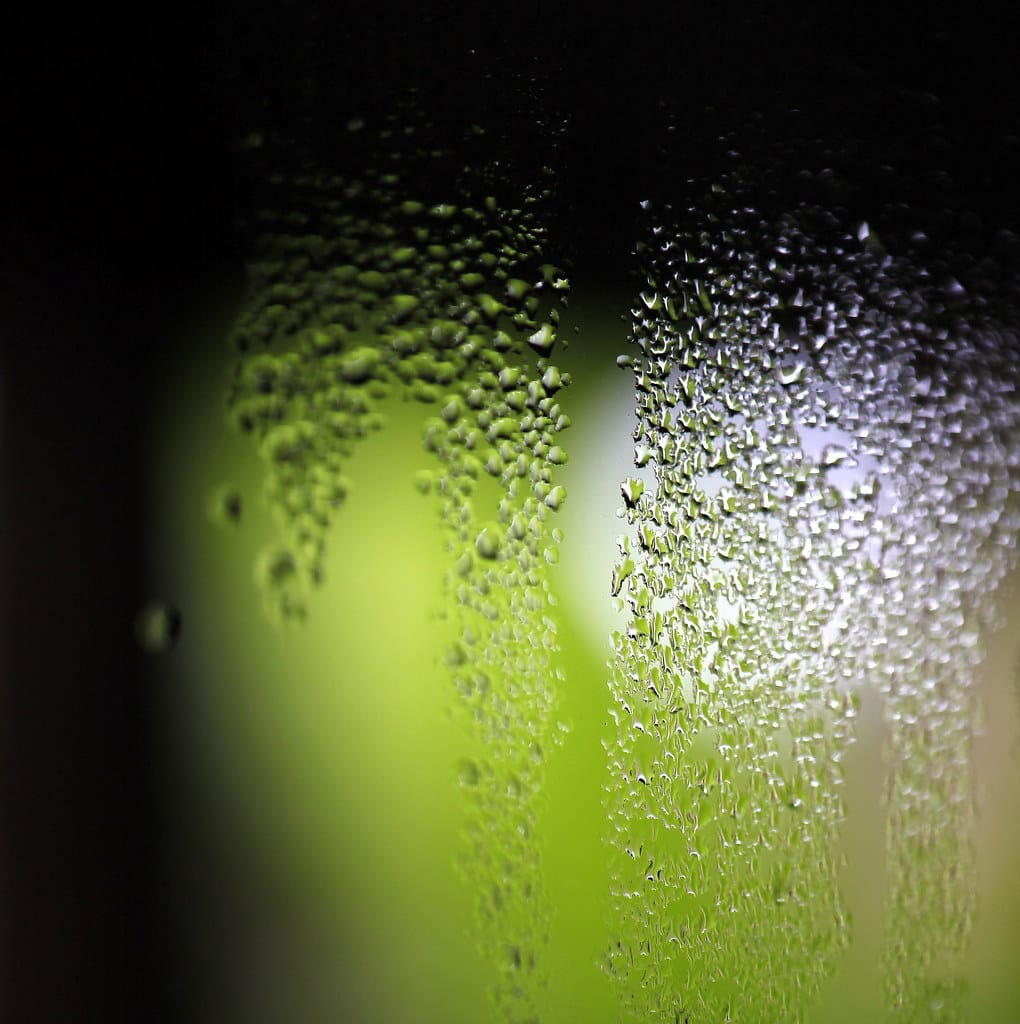
A musty smell in the house is a moisture problem, not a fragrance problem. The odour comes from microbial growth on something damp. A plug-in air freshener covers it for an hour and changes nothing. Find where the water is getting in or condensing. Dry that spot within 48 hours and the smell goes on its own.
Key takeaways
- The smell is produced by mould and bacteria growing on a damp surface. Removing the damp removes the smell.
- Keep relative humidity below 60 percent, ideally 30 to 50 percent.
- Anything wet needs to be completely dry within 48 hours.
- Check the cold surfaces first: outside walls, under sinks, behind wardrobes.
- Stop and get help for anything larger than about ten square feet.
What a musty smell in the house actually is
Mould and bacteria release microbial volatile organic compounds as they break material down. The EPA describes these as the source of the moldy odour people notice, and treats that odour as evidence that growth is happening even where nothing is visible.
That is the useful part. Your nose is detecting something real and active. It is not detecting an old house or bad luck.
Find the moisture before anything else
Work through the likely sources in order of how common they are.
- Buy a hygrometer. They cost very little. Put it in the room that smells and read it over a few days, morning and evening.
- Check the cold surfaces. Outside walls, window reveals, the corner behind a wardrobe pushed against an exterior wall. Condensation forms wherever warm moist air meets a cold surface.
- Look under every sink. A slow trap leak keeps a cupboard base permanently damp without ever showing a puddle.
- Pull furniture off exterior walls. Still air behind a sofa or a wardrobe is where the first patch usually appears.
- Check the loft hatch and the space under the floor. Both are ventilated for a reason, and both smell before anything else does.
- Smell the washing machine and the tumble dryer vent. Rubber door seals hold water, and a vented dryer pushed against a wall can be pumping moist air into the room.
If the smell is strongest when the heating comes on, suspect something inside a wall or floor void being warmed. If it is strongest after rain, suspect the building envelope.
Fix the cause
Once you know where the water is, the repair depends on which of the three types you have.
- A leak. Plumbing, roof, gutter or a failed seal around a window. Fix it before drying anything, or the drying is temporary.
- Condensation. Too much moisture in the air and too little ventilation. Cooking, showering and drying laundry indoors all add litres of water a week.
- Rising or penetrating damp. Water coming through the structure. This one is a professional's job, not a weekend's.
For condensation, the fixes are ordinary. Run the extractor fan during and for 15 minutes after a shower. Cover pans when boiling. Dry washing outdoors, or in one room with the door shut and a window open. Pull furniture two inches off exterior walls so air can move behind it.
Dry it properly
Getting a surface dry is a different job from getting it to feel dry. Aim for completely dry within 48 hours of finding it.
Open windows on both sides of the house for cross-ventilation. Run a dehumidifier in the affected room with the door shut, not open. A closed room lets the machine pull humidity down. An open one asks it to dry the whole house. Empty the tank daily. Lift carpet where the floor beneath is wet: underlay stays saturated long after the carpet feels dry.
Hard surfaces clean up with detergent and water, then dry. Porous material wet for more than two days is usually easier to replace than to save. That means ceiling tiles, plasterboard and carpet underlay. Once the leak is fixed and the wall is dry, a small cut-out section of plasterboard is patched the same way as any hole in drywall.
What to avoid
- Masking the smell. Air fresheners, scented candles and plug-ins add fragrance on top of the odour and leave the growth untouched.
- Painting over a damp patch. The stain comes back through, and the paint film traps moisture in the wall.
- Sealing the room up. Closing vents and keeping windows shut raises humidity, which is the opposite of what the room needs.
- Bleaching a large area yourself. Anything over about ten square feet needs containment, or cleaning it spreads spores through the rest of the house.
- Drying laundry on radiators with the door shut. A single load releases a couple of litres of water into the room.
Where to look, and what it usually means
| Where the smell is strongest | Likely cause | First check |
|---|---|---|
| One cupboard under a sink | Slow trap or supply leak | Feel the base panel at the back |
| A bedroom exterior corner | Condensation, poor air movement | Move furniture, check for black spotting |
| The whole ground floor | Underfloor void or rising damp | Air bricks blocked or below ground level |
| Worse after rain | Roof, gutter or wall penetration | Overflowing gutter, cracked pointing |
| Worse when heating runs | Damp inside a wall or floor void | Warm patch, staining near pipes |
| Bathroom only | Ventilation shortfall | Extractor running, window opening |
When to stop
Call a professional for anything bigger than about ten square feet, for any water that came from sewage or flooding, and for damp you cannot trace after a genuine search. Structural damp, and anything involving electrics that have been wet, is not a DIY job and we will not pretend otherwise. That limit and the rest of our rules are on the editorial standards page.
Condensation starts on cold surfaces, so a cold room produces more damp than a warm one. Where the cold comes through the windows, sealing draughty windows removes part of the cause rather than the symptom. Storage against an exterior wall has the same trouble. That is why our guide to organizing a small closet leaves a gap behind the rail.
Frequently asked questions
What causes a musty smell in a house?
Microbial growth on a damp surface. As mould and bacteria digest material they release microbial volatile organic compounds, and those are what you smell. The EPA treats a musty odour as a sign that growth is happening somewhere, even where nothing is visible yet.
What indoor humidity stops damp smells?
Keep relative humidity below 60 percent, and between 30 and 50 percent if you can manage it. Above 60 percent, condensation forms on cool surfaces and growth follows. A cheap hygrometer will tell you which rooms are outside that band.
How long can something stay wet before it becomes a problem?
About 48 hours. The EPA advises drying wet areas completely within two days, because that is roughly the window before mould establishes on damp material. A carpet that has been wet for a week is usually past saving and needs lifting rather than drying.
Will an air purifier get rid of a damp smell?
Only while it runs, and only partly. A carbon filter absorbs some of the compounds causing the odour, but it does nothing about the moisture producing them. Treat a purifier as something that makes a room usable while you fix the cause, not as the fix.
When should I stop and call a professional?
When the affected area is larger than roughly ten square feet, when the water came from sewage or flooding, or when you cannot find the source at all. Large jobs need containment so that disturbing the growth does not spread it through the rest of the house.


