
Houseplant Dropping Leaves in Winter? Find the Cause
Overwatering, low light, cold drafts and dry heat all make houseplants drop leaves in winter. Which leaves fall, and how they look first, tells you which one to fix.
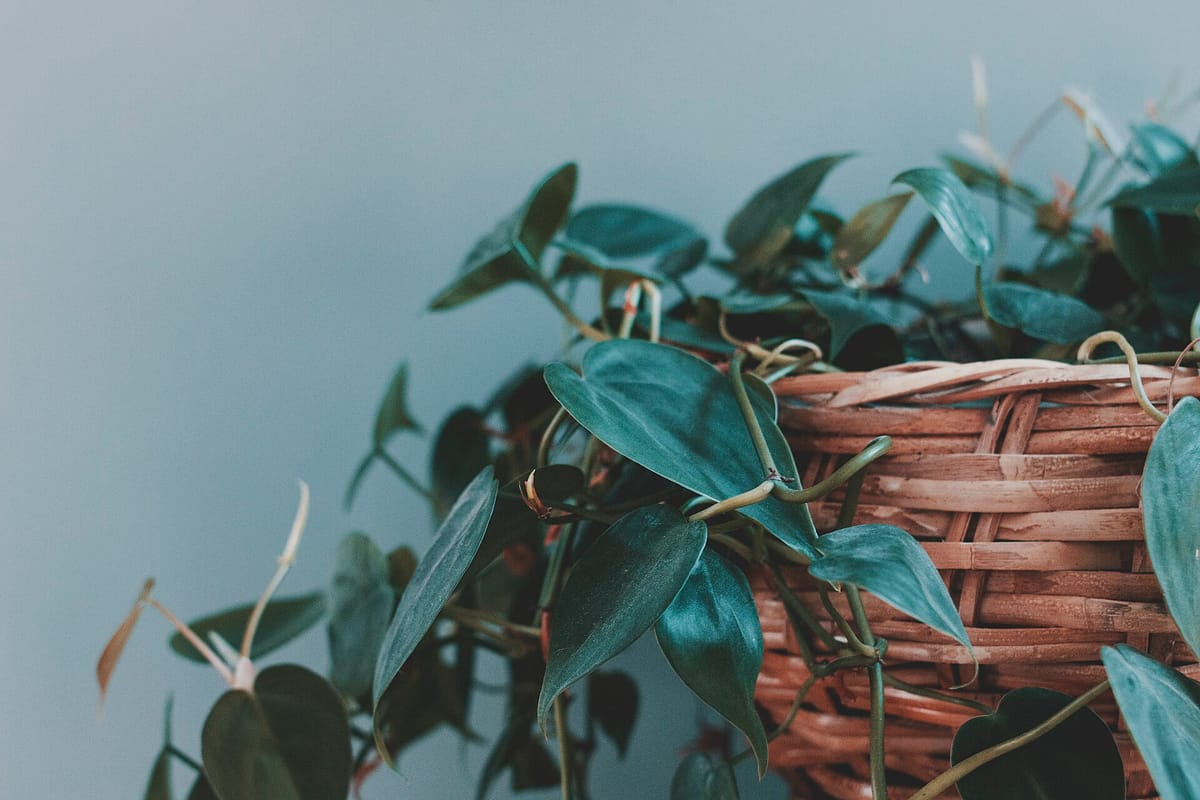
A houseplant dropping leaves in winter is almost always reacting to its surroundings rather than to a disease. The four usual causes are too much water for the slower winter growth, too little light, a cold draft and dry heat from a radiator. Which leaves fall, and what they look like before they go, points to the one causing it. Change that one thing, wait a few weeks, and most plants recover once the days lengthen.
Key takeaways
- Overwatering is the most common cause of houseplant trouble, and it gets worse in winter because plants use less water.
- Old lower leaves yellowing and dropping one at a time is often normal. Many at once is not.
- Cold damage can appear days after the chill, so think back to an open door or a cold night on the windowsill.
- Keep plants out of the hot, dry air above radiators and off cold glass behind closed curtains.
- Change one thing at a time. Moving, repotting and feeding a stressed plant all at once makes it worse.
Houseplant dropping leaves in winter: why it happens
Most houseplants come from places with steady warmth and light all year. A home in winter gives them neither. Oregon State University Extension points out that both the intensity and the length of daylight fall sharply in winter, and that indoor plants slow their growth in response. A plant growing slowly uses less water. The watering routine that suited it in summer now leaves its roots sitting wet.
At the same time, the heating dries the air and creates hot spots near radiators, while windows and doors let in cold drafts. A plant drops leaves it can no longer support. That is a reaction to its spot, and it can usually be fixed.
Which cause is it? Read the leaves
| What you see | Most likely cause | What to change |
|---|---|---|
| Lower leaves yellow and soft, compost still damp days after watering | Overwatering | Water less, empty saucers |
| Pale leaves, long gaps between them, growth leaning to the window | Too little light | Move closer to a bright window |
| Leaves dropping suddenly, sometimes still green, or dark patches days after a cold night | Cold draft or chill | Move away from doors and cold glass |
| Crisp brown edges and tips, compost drying very fast | Dry heat from a radiator | Move away from the heat, raise humidity |
| A few of the oldest leaves yellowing one at a time | Normal ageing | Nothing |
| Sticky leaves, webbing or small bumps on stems | Pests | Treat the pest, isolate the plant |
Check the compost before anything else. Push a finger in up to the second knuckle. If it is wet a week after watering, the problem is water, whatever else is going on.
Overwatering: the usual culprit
Oregon State calls overwatering by far the most common cause of houseplant decline. Few houseplants want constantly moist compost, and waterlogged soil keeps oxygen away from the roots. In winter the risk climbs, because the plant takes up so little.
The Royal Horticultural Society's winter advice is plain: lower light and temperatures mean less growth, so plants need less water.
- Water only when the top of the compost is dry. For most plants that means checking weekly and watering less often than in summer. Our guide to how often to water houseplants covers the finger test and plant-by-plant differences.
- Water thoroughly, then drain. Let water run through, then tip away what collects. The RHS suggests checking 10 minutes after watering and emptying any pot cover.
- Stop feeding. A plant that is barely growing cannot use fertiliser. Start again in spring.
- Check the roots if the compost stays wet. Ease the plant out of its pot. Healthy roots are pale and firm. Brown, mushy roots that smell sour are rotting. Trim them off and repot into fresh, barely damp compost.
Too little light
Winter light is weaker and shorter, and a plant that was fine a metre from the window in summer may be starving in December. Signs are pale new leaves, long bare stems between them and growth stretching towards the glass. Older leaves drop because the plant cannot keep them all fed.
- Move plants closer to the brightest window, usually south or west facing in the northern hemisphere.
- Keep the glass clean. Grime cuts light more than you would think.
- Open blinds and curtains fully during the day, as Oregon State recommends.
- Turn pots a quarter turn each week so all sides get light.
- Consider a grow light for plants in rooms with no bright window.
Cold drafts and chills
The RHS warns that plants left in the cold on windowsills and behind curtains can be damaged. A closed curtain traps a pocket of cold air between itself and the glass, and a plant on the sill sits in it all night. Doors are the other hazard. Oregon State notes that a plant near a front door that opens and shuts all day may suffer. Ficus plants in particular drop leaves under those conditions. Poinsettias are just as touchy, and caring for a poinsettia covers the cold trip home that damages most of them.
Cold damage is also slow to show. Oregon State points out it is often separated in time from the cold event, so leaves may fall several days after the window was left open.
- Pull plants back from the glass at night, or keep them on the room side of the curtains.
- Move them away from outside doors and from any spot you can feel a draft.
- Keep leaves from touching cold glass. Contact alone can mark them.
If one window is always noticeably colder than the rest, the window itself may need attention. Our guide to sealing a drafty window shows how to find where the air gets in.
Dry heat from radiators
The RHS says being too near radiators or fires can crisp delicate leaves, and that central heating dries out the air indoors. A plant on a shelf or windowsill above a radiator gets both: rising hot air and very dry conditions. Its leaf edges brown and crisp. Its compost dries out in a day or two, which tempts you to water more.
- Move it out of the heat, even half a metre to one side.
- Group plants together. They raise the humidity around each other slightly.
- Stand pots on a tray of damp gravel, keeping the base of the pot above the water.
- Avoid misting as a fix. It raises humidity for minutes, not hours.
Keep humidity in proportion, though. A room damp enough for a fern is often damp enough to stream down the windows, and our guide to condensation on windows every morning sets out the level to stay under.
Mistakes that make it worse
- Watering more because leaves are falling. If the cause is overwatering, which it often is, this finishes the plant.
- Moving it from spot to spot. Each move is another change it has to adjust to. Pick one better spot and leave it there.
- Repotting in midwinter. Unless the roots are rotting, wait for spring, when the plant can grow into new compost.
- Feeding to "perk it up". Fertiliser on a resting plant builds up in the compost and can burn the roots.
- Bringing outdoor pots in without checking. Plants brought in for winter often carry pests, and the shock of a warm, dim room makes them shed leaves. Our guide to bringing potted plants inside covers the pest check and how to make the move gentler.
Will it recover?
Scratch a stem lightly with a fingernail. Green and moist underneath means it is alive, even if it has lost most of its leaves. Fix the cause, water sparingly, and leave it alone. New growth usually starts as the days lengthen from late winter. A plant that kept its roots healthy through the dark months often fills out again by early summer.
Frequently asked questions
Why is my houseplant dropping leaves in winter?
Usually one of four reasons. Too much water for the slower winter growth, too little light, a cold draft from a window or door, or dry heat from a radiator. Old lower leaves yellowing and falling one by one is often normal. Many leaves dropping at once, or new leaves falling, means something in its spot has changed.
Should I water houseplants less in winter?
Yes, for most plants. The Royal Horticultural Society notes that with lower light and lower temperatures plants grow less, so they need less water. Water only when the top of the compost has dried, and tip out any water left in the saucer or pot cover after about 10 minutes.
Is it bad to put houseplants near a radiator?
For most, yes. The RHS warns that being too near radiators or fires can crisp delicate leaves, and a plant on a shelf above a radiator sits in rising hot, dry air. Move it a little further away, to a spot that is bright but not directly in the heat.
Will a houseplant grow back after dropping its leaves?
Often, if the roots and stems are healthy. Scratch a stem lightly with a fingernail. Green underneath means it is alive. Fix the cause, keep watering light, and do not feed until growth starts again in spring. New leaves usually appear as the days lengthen.


