
How to Store Potatoes So They Do Not Sprout
Potatoes want cool, dark and airy. Get the temperature right and they keep for months instead of weeks.
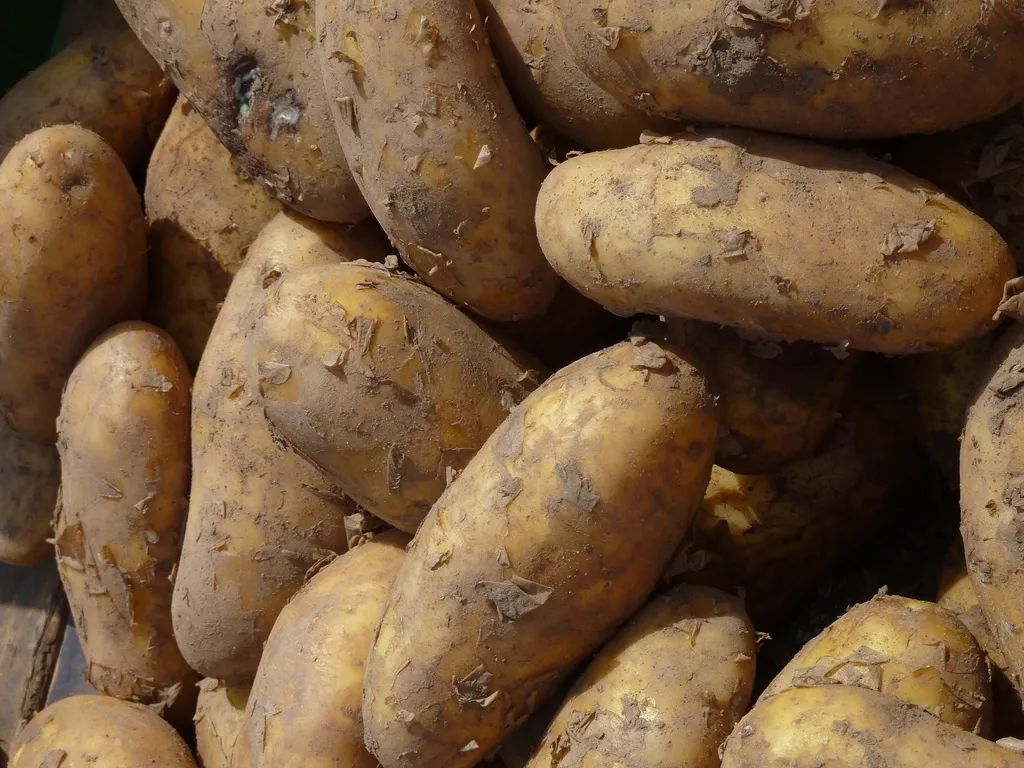
The short version of how to store potatoes is cool, dark and breathing. Between 7 and 10C, out of all light, in a paper sack or open box rather than plastic, potatoes stay firm for two to three months. Warmer than that and they sprout within weeks. In the light they turn green and bitter regardless of temperature.
Key takeaways
- Aim for 7 to 10C. Warm rooms bring potatoes out of dormancy within a fortnight.
- Total darkness matters as much as temperature. Light causes greening and bitterness.
- Paper, hessian or an open box. Sealed plastic traps moisture and starts rot.
- Keep potatoes away from onions. Onions push them into sprouting sooner.
- The fridge is no longer considered an acrylamide problem, but it does make potatoes taste sweeter.
What actually makes a potato sprout
A potato is a dormant tuber waiting for spring conditions. Warmth and moisture are the signals that spring has arrived, so a kitchen at 20C reads as a growing season. The eyes wake up, the tuber pushes shoots, and it draws down its own starch to do it. That is why a sprouted potato goes soft and light: the mass has gone into the shoots.
Cold slows the process without stopping it. Darkness matters separately, because light triggers a different reaction entirely.
How to store potatoes step by step
- Sort them first. Remove anything damaged, cut or already soft. One rotting tuber spreads to the sack around it.
- Do not wash them. Brush off loose soil and leave the rest. Dry earth protects the skin, and surface moisture is what rot needs.
- Choose a breathable container. A paper sack, a hessian bag, a cardboard box or a slatted crate. Plastic bags hold condensation against the skins.
- Put them somewhere dark. A cupboard away from the cooker, a cellar, an unheated utility room or a garage that does not freeze. Cover a crate with a cloth if the space gets any daylight.
- Check every two weeks. Pull out anything soft or sprouting before it affects the rest. Rub sprouts off early ones and use those first.
Cured potatoes keep longest. If you have lifted your own, leave them somewhere dark at around 13C for a fortnight before moving them to their winter store. That period thickens the skin and heals small cuts.
What the fridge really does
Refrigerator storage sits near 4C, which is below the point at which starch starts converting to sugar. That is cold-induced sweetening. The potatoes taste faintly sweet, and because the extra sugar caramelises faster, chips and roast potatoes darken well before they are cooked through.
For years the advice was to avoid the fridge for a second reason. The Food Standards Agency has since revised that position: a study reviewed by the Committee on the Toxicity of Chemicals in Food found that home fridge storage does not materially increase acrylamide-forming potential compared with a cool dark place. Its current advice is that either is a reasonable choice, and that avoiding food waste is a legitimate reason to pick the fridge.
So the case against the fridge is now a cooking one. If the potatoes are destined for mash or boiling, the sweetening barely registers. If they are for roasting or chips, keep them in a cupboard.
Why potatoes go green, and what to do about it
Light makes a potato produce chlorophyll, which is the green you can see. The same light drives up solanine, which you cannot see but can taste as bitterness. The green is a marker, not the problem itself.
Cut green patches away generously along with any sprouts and the skin around them. A potato that has greened all the way through, or that tastes bitter when cooked, belongs in the bin. Storing in the dark from the start avoids the question, which is why a paper sack beats a wire basket on a worktop.
What to avoid
- Plastic bags with no ventilation. Moisture collects inside and the bottom of the bag turns to mush within a fortnight.
- A cupboard next to the oven or boiler. Steady warmth is the single fastest route to sprouting, whatever else you get right.
- Storing with onions or apples. Both give off gases and moisture that break dormancy early.
- A garage that dips below freezing. Frozen tubers go sweet and then collapse to a watery texture on thawing.
- Washing before storage. It removes the protective soil and leaves damp skins behind.
Where to put them, and how long they keep
| Location | Typical temperature | Expected keeping time | Watch for |
|---|---|---|---|
| Unheated cellar or larder | 7 to 10C | 2 to 3 months | Damp, check for soft tubers |
| Garage shelf, autumn to winter | 5 to 12C | 6 to 10 weeks | Frost on cold nights |
| Kitchen cupboard, heated house | 18 to 22C | 1 to 2 weeks | Sprouting, softening |
| Refrigerator | 4C | 3 to 4 weeks | Sweetening, dark frying |
| Worktop in daylight | Room temperature | Days | Greening, bitterness |
Roasting is where badly stored potatoes show themselves: extra sugar caramelises early, and the tray spits more as the flesh gives up water. That splatter ends up baked onto the door, which is its own job to undo — our guide to cleaning oven glass covers getting it off without scratching the pane.
Homegrown potatoes lifted from your own beds keep better than shop-bought, because they have not spent weeks in a warm supply chain first. If you are planning next season's crop, the same autumn work that gets beds ready applies: our guide to preparing garden beds for winter covers what to clear and what to leave.
When the advice changes
The fridge question is a good example of guidance moving as the evidence does. The old rule was repeated for years after the body that issued it had revised it. We update posts when the underlying advice changes rather than leaving the original text standing, and our editorial standards page sets out how that works.
Frequently asked questions
Can you keep potatoes in the fridge?
Yes. The Food Standards Agency revised its advice after a review found home fridge storage does not materially increase acrylamide-forming potential compared with a cool dark cupboard. Fridge potatoes do turn sweeter and brown faster when fried, so the trade-off is flavour and colour rather than safety.
What temperature stops potatoes sprouting?
Around 7 to 10C, or 45 to 50F. That is cool enough to slow sprouting substantially but warm enough to avoid the starch converting to sugar. An unheated cupboard, a garage shelf or a cellar usually sits in that band through autumn and winter.
Why do potatoes go green, and can I still eat them?
Light triggers chlorophyll, and the same light drives up solanine, which tastes bitter. The green itself is harmless but marks where solanine has formed. Cut away green areas and any sprouts generously. Discard a potato that is green throughout or tastes bitter.
Should potatoes be stored with onions?
No. Onions give off moisture and gases that bring potatoes out of dormancy, so the two together sprout faster than either alone. Keep them in separate containers, ideally on different shelves, and never sealed in the same bag.
Should I wash potatoes before storing them?
No. Washing removes the dry soil that protects the skin and leaves surface moisture behind, which is what rot starts from. Brush off loose earth, leave the rest, and wash them only when you are about to cook them.


